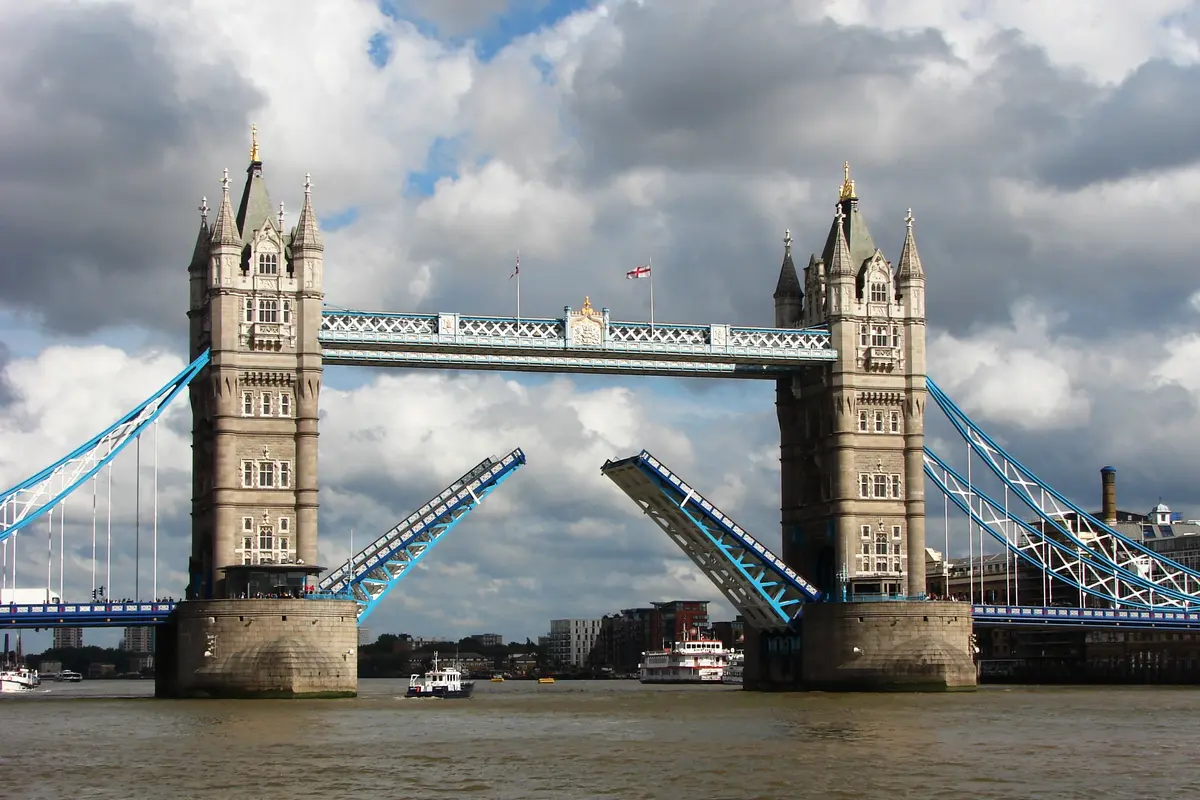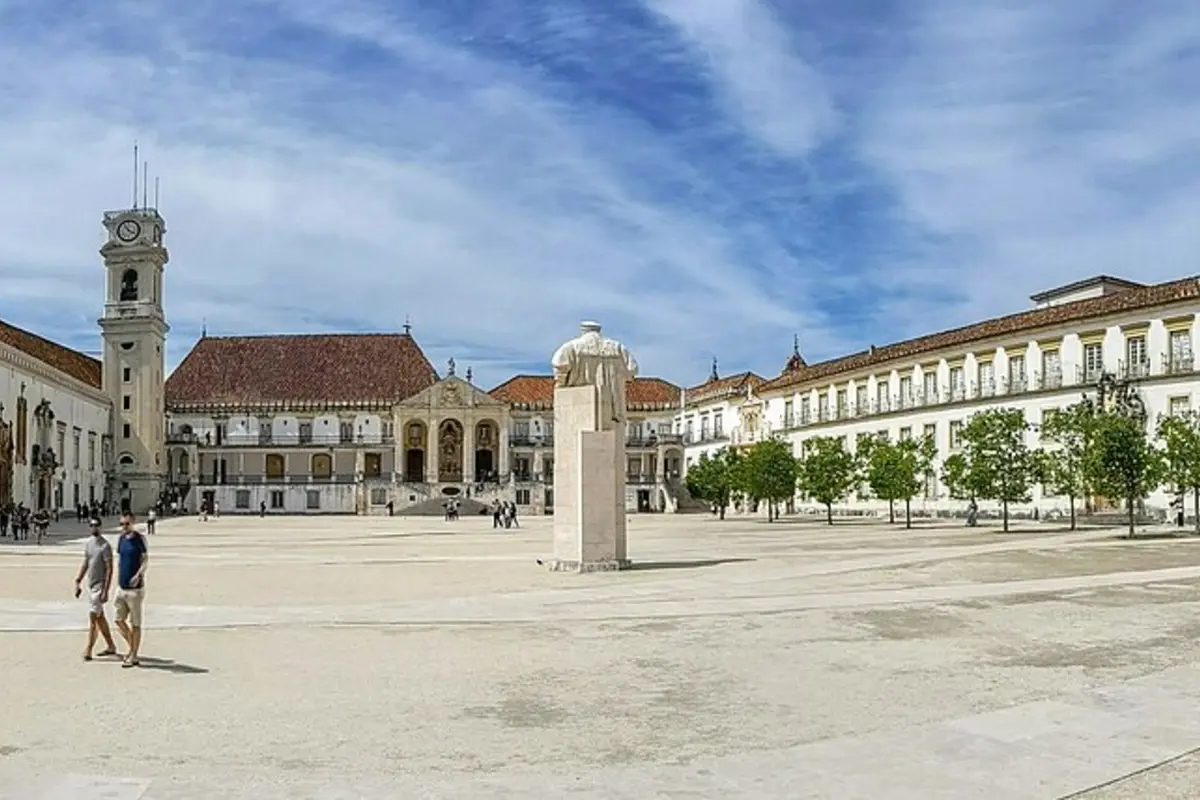
Regional variety
Compare provinces and cities for programme availability, language, climate, housing and lifestyle.
Canada remains a widely considered destination, but rules and capacity can change. Students should make decisions using current official information and a realistic financial plan.

Built for informed comparison. Time-sensitive rules must be checked with the relevant official authority.
Explore Canadian study choices by province, programme, provider type, total cost and current immigration requirements.
Compare provinces and cities for programme availability, language, climate, housing and lifestyle.
Explore academic and career-focused learning models according to your study goal.
Consider the support, networks and everyday experience available to international students.
Start with the qualification route, then check exact entry requirements with each provider.

Compare subject depth, programme length, entry qualifications, foundation options and the total cost through graduation.

Check specialisation, prerequisite modules, research or project components and how the degree connects with your next step.

Verify progression agreements, awarding bodies, professional recognition and whether the route fits your academic starting point.
Use these as your first comparison framework, then verify exact requirements for the course and route you choose.
Check current programme, institution and permit eligibility before applying or paying.
Review modules, delivery, progression and career relevance.
Compare climate, housing, transport, language and local opportunity.
Plan tuition, proof of funds, insurance, travel and living costs.
Follow current federal and provincial requirements where applicable.
Allow time and financial flexibility for changing rules or processing conditions.
Published tuition is only one part of affordability. Compare the complete journey before committing.

Record tuition by year, payment dates, deposits and refund conditions.

Compare rent, utilities, deposits, contract length and commute.

Include flights, transfers, essential purchases and arrival-day costs.

Check mandatory cover, exclusions and likely out-of-pocket expenses.
Allow for application fees, translations, tests and financial evidence.

Keep a separate reserve for price changes and unexpected costs.
Move through the journey in order while keeping room to compare and ask for guidance.
Requirements change. Use these sources again before payment, application and travel.
Start with Immigration, Refugees and Citizenship Canada for current permit information.
Open source ↗Official sourceConfirm that a school is on the current DLI list.
Open source ↗Official sourceCheck the official application steps and evidence before submission.
Open source ↗Use these practical checklists before you shortlist or submit an application.

A practical framework for comparing countries by course fit, budget, lifestyle, requirements and personal priorities.
Read Guide
Organise the academic, identity, language, financial and supporting documents commonly used in study abroad applications.
Read Guide
Prepare better questions and get more value from a study abroad guidance conversation.
Read GuideUse the same criteria across countries so the trade-offs stay visible.
Need a second opinion?
Share your profile, priority or uncertainty and we will help identify the next useful step.
These answers are general planning guidance. Verify time-sensitive requirements through official sources.
Study-permit requirements and related policies can change. Verify the latest federal, provincial and provider information before each major decision.
Look at programme fit, housing, climate, transport, language, community size and affordability instead of choosing by popularity.
Admission is a provider decision. A study permit is a government decision. Receiving one does not automatically guarantee the other.
We can help you compare choices against your profile and priorities, but the final decision remains yours.
Insurance, deposits, winter clothing, local transport, study materials, phone setup and emergency funds are often underestimated.
Use Immigration, Refugees and Citizenship Canada and relevant provincial or provider sources.
Talk to Campus Learner
Share your question and we will respond with the most useful next step.
Ready when you are
Explore independently, then bring in a human guide when you need one.